Food waste is one of the biggest unseen expenses in the restaurant industry. According to the U.S. Food and Drug Administration (FDA), between 30% to 40% of the food supply in the U.S. is wasted, with restaurants accounting for a significant share of that waste. Matter of fact, other studies show that restaurants can waste between 4% to 10% of the food they purchase.
Why is food waste a problem for restaurants?
Food waste doesn’t just reduce your profits—it also takes a significant toll on the environment by contributing to greenhouse gas emissions and squandering valuable resources like water, energy, and labor. The upside? With the right strategies, training, and systems in place, restaurants can dramatically reduce waste, improve operational efficiency, and build a more sustainable brand. Reducing food waste isn’t just good for business—it’s good for the planet, and your customers will take notice.
Why is it important to reduce food waste in restaurants
Food waste in restaurants is both a financial and environmental issue. According to WRAP, the hospitality sector generates 1.1 million tonnes of food waste every year, with over 75% of that waste being avoidable. Much of this food is perfectly edible, meaning restaurants are essentially throwing away money. The cost of food waste to the hospitality industry is estimated at £3.2 billion annually, or roughly £10,000 per outlet!
Environmentally, when food waste ends up in landfills, it decomposes and produces methane—a greenhouse gas with over 80 times the global warming potential of carbon dioxide.
Additionally, wasting food means squandering all the resources that went into producing it: water, land, energy, and labor. The water footprint alone of annual UK food waste equals approximately 5.4 billion cubic meters.
Why does food waste happen
Before you can reduce waste, you need to understand where it’s coming from. The most common sources of food waste in restaurants include:
Overstocking or over-prepping: Buying or preparing more than you need leads to spoilage.
With a few strategic changes, restaurants can significantly cut down on waste while improving efficiency and sustainability. Here are four practical tips to help reduce food waste in your establishment.
1. Organize your walk-in to minimize waste
Your walk-in cooler is ground zero for food waste prevention. Here are best practices to ensure it supports your waste-reduction goals:
Label everything: Include clear dates and item names.
Rotate stock (FIFO): First in, first out. Teach your team to always use the oldest stock first.
Group similar items: Makes it easier to find what you need and prevents over-ordering.
Separate raw and cooked items: Avoid contamination and make better use of space.
Set a weekly “walk-in check”: Assign staff to clean, consolidate, and log items nearing expiry.
2. Track food waste daily
Logging waste might feel like a chore, but it’s a critical first step toward reducing it. Start by tracking waste in key categories:
Spoilage – ingredients that go bad before they’re used
Prep waste – excess trimming or mistakes during food prep
Plate waste – food left uneaten by customers
Theft or misuse – intentional or accidental loss of inventory
By consistently tracking these areas, you’ll begin to spot patterns—giving you the insight needed to make smarter purchasing decisions, improve prep routines, and train staff more effectively.
3. Use technology to your advantage
Tools like TotalCtrl let restaurants log waste directly within their inventory system, making the process faster and more effective. This means:
No more clunky spreadsheets or messy clipboards
Real-time insights into where and why waste is happening
The ability to connect waste data with inventory and sales for smarter decision-making
With everything in one system, it’s easier to take action—and see results.
4. Optimize operations using waste data
Once you start collecting data, turn insights into action:
Redesign menu items – Get creative with offcuts and surplus ingredients to minimize waste and add value.
Recalculate prep amounts – Base prep volumes on real sales data, not assumptions, to avoid overproduction.
Train your team – Emphasize portion control, efficient prep techniques, and a waste-conscious mindset in daily operations.
Small changes, guided by data, can lead to big savings and a more sustainable kitchen.
Food waste isn’t just a kitchen issue—it’s a business opportunity. By organizing your storage, tracking waste, and using smart tools like TotalCtrl, you can cut waste dramatically, save money, and run a more sustainable operation.
Turn your food waste into cost savings. Get started with TotalCtrl and take control of your kitchen today!
Why smart inventory management is a game-changer for hospitality
In the fast-evolving hospitality industry, efficient inventorymanagement is no longer a nice-to-have—it’s a strategic necessity. In 2025, innovative hotels and restaurants are turning to smart inventory systems to improve accuracy, reduce waste, and boost operational efficiency.
The evolution of hospitality inventory management
Inventory management in the hospitality industry has come a long way. What once depended on manual counts, paper logs, and guesswork has been transformed by smart technology into a fast, accurate, and data-driven operation.
From spreadsheets to smart systems
Traditional inventory methods—manual counts, spreadsheets, and paper logs—are prone to error and inefficiency. Smart inventory solutions are revolutionizing this process with automation and real-time data tracking.
The hidden costs of manual inventory counting
Labor-intensive processes, stock discrepancies, and spoilage can cost thousands monthly. By digitizing manual inventory control, hospitality businesses can reduce overhead while improving decision-making.
Smart inventory by the numbers
Inventory counts completed 50% faster
62% less time spent on stock-taking
35% reduction in food waste within 30 days
Just a 5-minute digital setup to get started
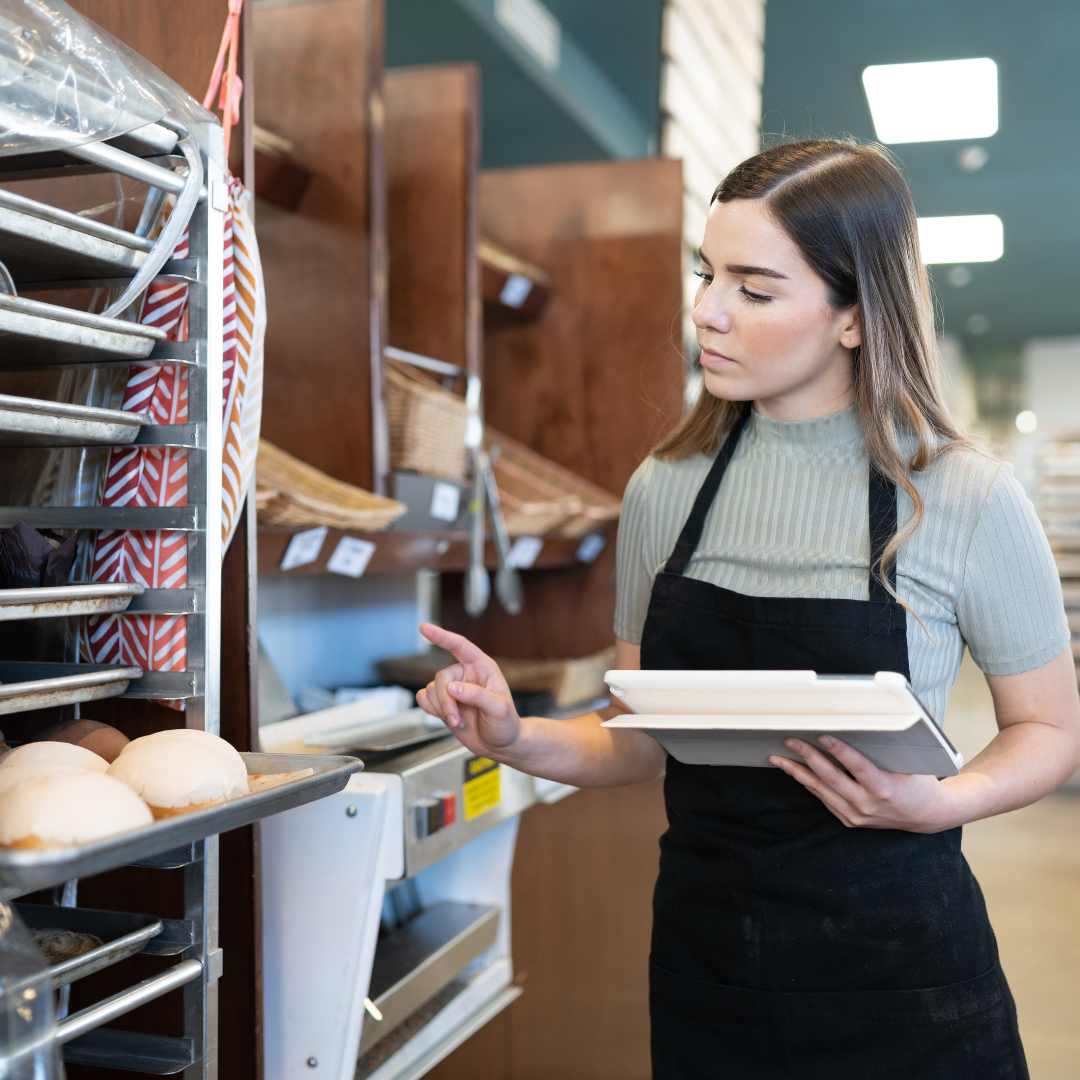
By digitizing inventory control, hospitality businesses and restaurants can reduce overhead while improving decision-making.
Key features of modern inventory management systems
Today’s inventory management solutions are designed to streamline operations, reduce waste, and provide real-time insights. Here are the core features that set modern systems apart:
Digital Inventory Counting Effortless stock counts using mobile devices or tablets—no more paper or manual entry.
Instant Digitization Capture and update inventory data instantly from any device, anywhere.
Real-Time Stock Tracking Monitor inventory levels across locations in real time, reducing the risk of overstocking or shortages.
Automated Alerts & Reporting Receive proactive notifications on low stock, expirations, or discrepancies, along with scheduled reports.
Smart Integration Capabilities Seamlessly connect with POS and ERP systems like SAP Ariba for a unified workflow.
Automated Report Generation & Sharing Generate customizable reports with ease and share them with your team or stakeholders in just a few clicks.
Centralized Multi-Location Management Manage inventory across multiple outlets from one intuitive dashboard, ensuring consistency and control.
A Success Story: Ostehuset’s inventory transformation
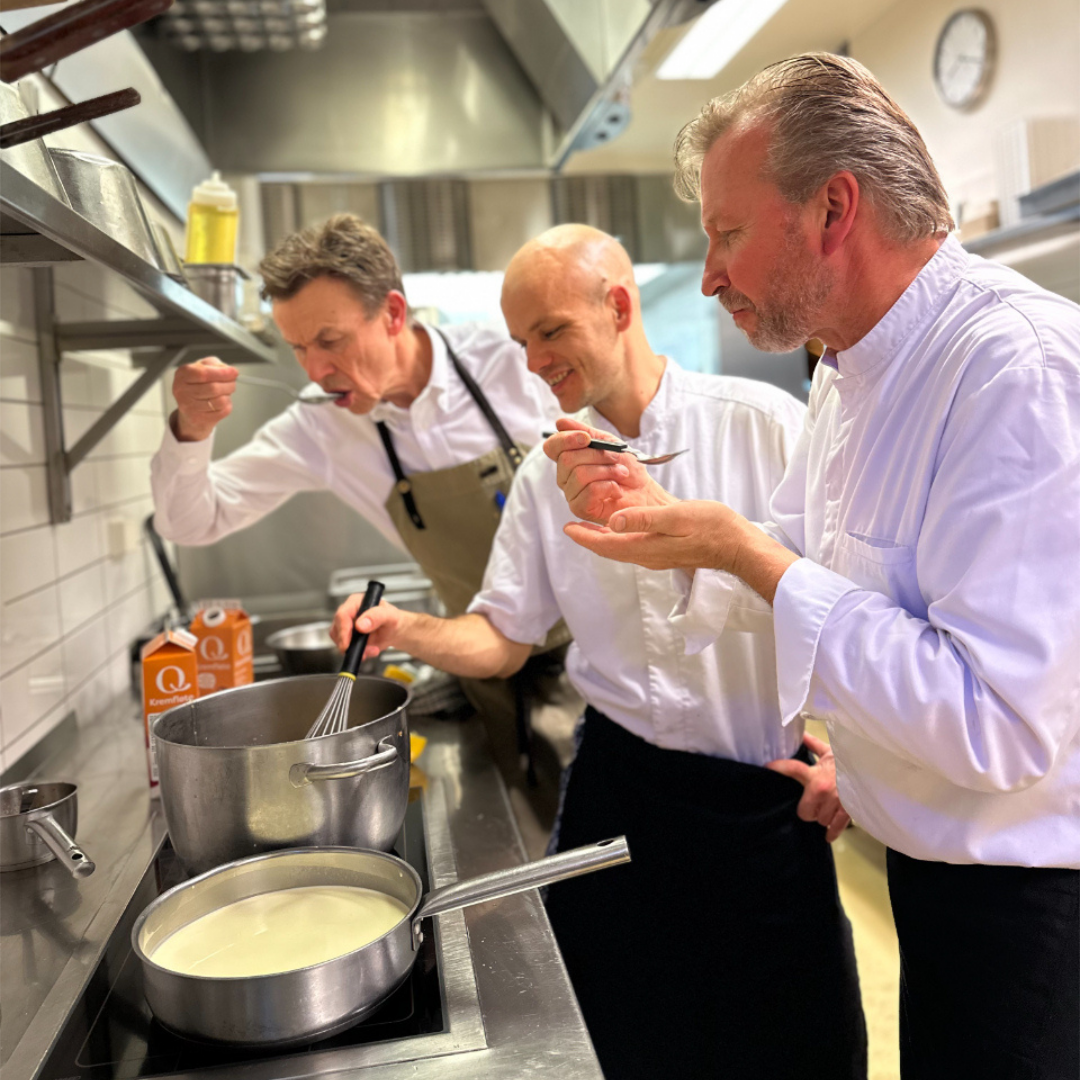
Ostehuset, a well-known hospitality business, streamlined their operations with a smart inventory solution—cutting inventory management time by 62%. The switch resulted in faster workflows, fewer errors, and lower costs!
How to implement smart inventory in your hotel or restaurant
Train your team: Choose intuitive tools with minimal learning curves.
Integrate seamlessly: Connect with existing POS and procurement software.
Optimize continuously: Monitor usage data to refine inventory levels and reduce waste.
Join us for a chat with Anna Strejcová, an expert on reducing food waste at Zachraň jídlo. They are working to cut down on food waste by donating food, running information campaigns, organizing events, and teaching companies how to tackle this issue.
Anna will talk about how Zachraň jídlo started, their efforts to track food waste in places like canteens, schools, hospitals, and care homes, and the goals of their projects, Food Waste Prague and foodCIRCUS. She will also share tips on how to reduce food waste at home, discuss the challenges Zachraň jídlo has faced, and share the lessons they’ve learned. Plus, Anna will talk about useful resources she follows on the topic of food waste.
TotalCtrl is producing this podcast. The company builds digital products in collaboration with restaurants, hotels, municipalities, and households to ditch manual processes, streamline food inventory management, and generate the monthly cost of goods sold and accounting reports.